
A major problem with such questions is collapsing complex problems and their solutions into 0 or 1 binaries. As a matter of fact, a variety of software solutions have already contributed to the tremendous progress in cancer survival rates alongside improvements in imaging/sensing, drug development, screening, biological research etc. (see image).
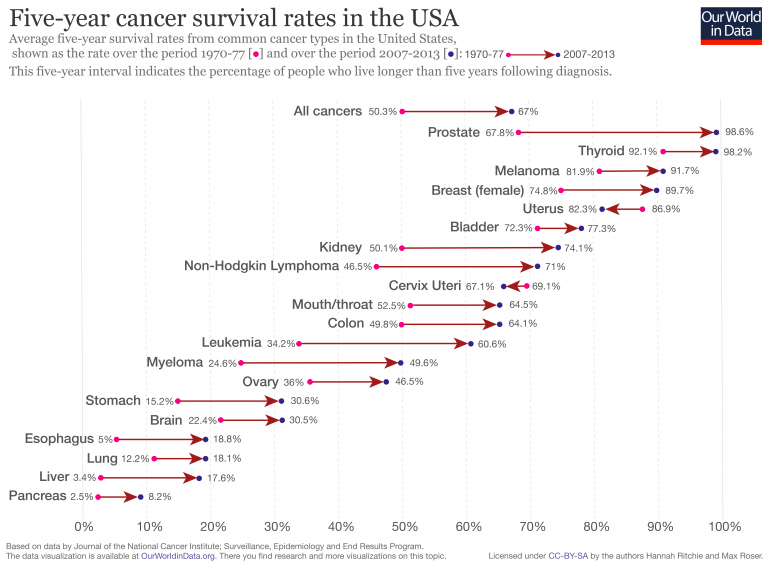
However, AI is really just one set of technologies out of a bunch of technologies required to get a real world solution to work. There’s a lot of interesting work in AI-driven drug discovery and it also benefits from the current advances in generative AI and reasoning models (driven by spillovers and overall efficiency improvements).
Will it solve Cancer once and for all? Unlikely.
Instead we will likely continue to see steady progress as AI helps us make new breakthroughs and improve a bunch of different detection products, screening technologies, drug development processes. Spillovers are slow in the realm of biotechnology. In our 2021 paper (Singh, Triulzi and Magee 2021), we showed that some of the slowest improving technologies are biotech related.
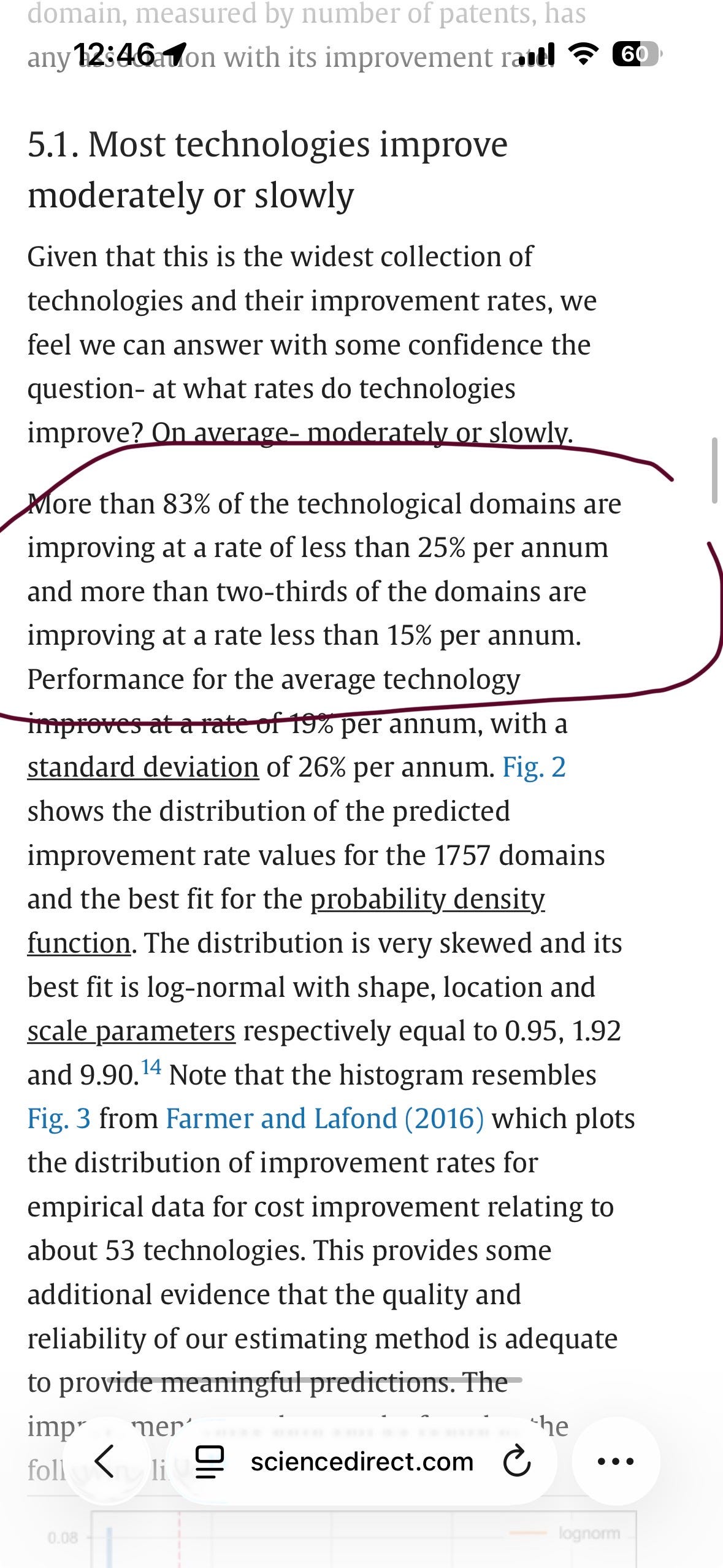
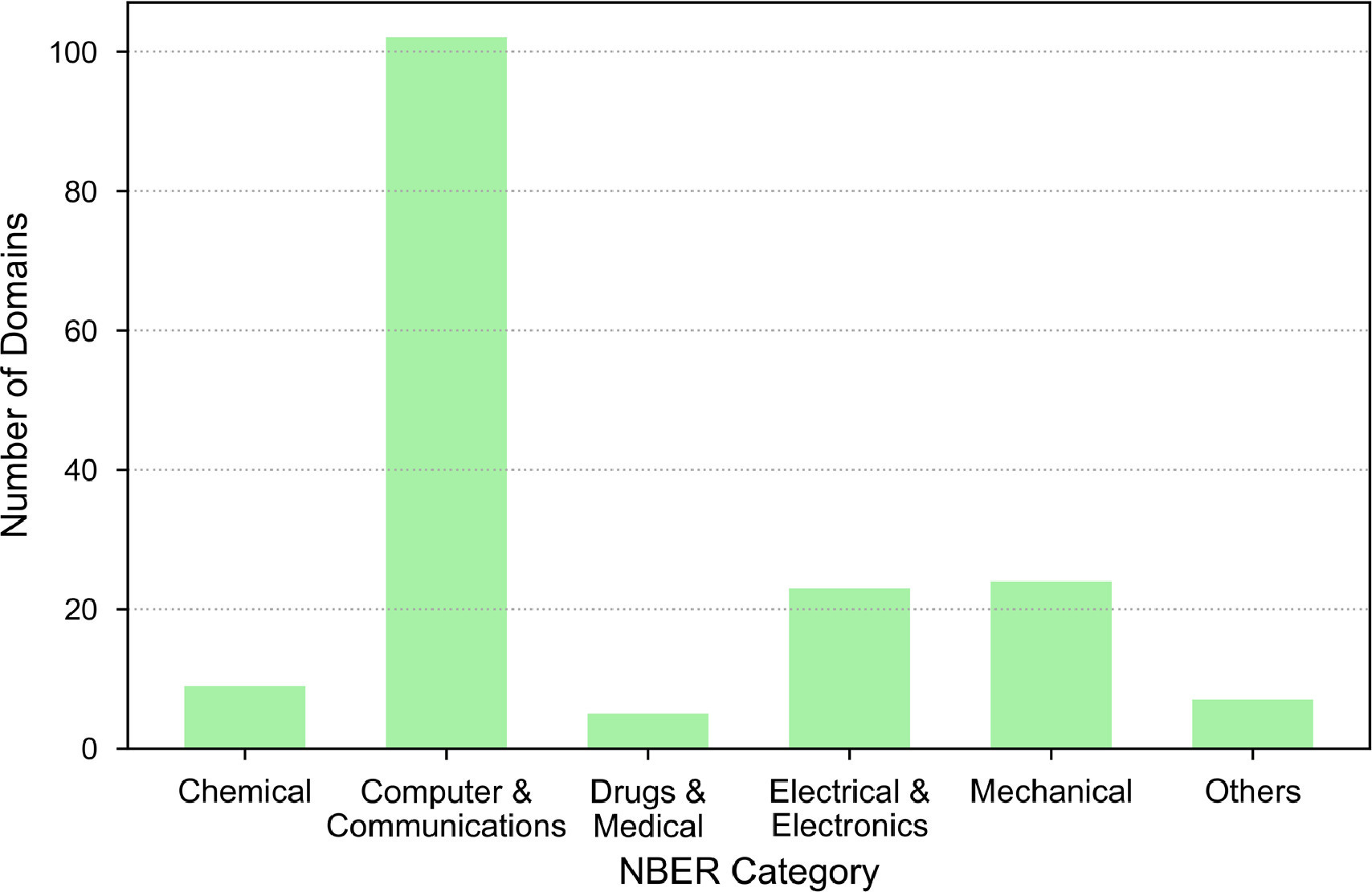
How quickly can an AI improve already deployed MRI machines or improve our ability to do drug trials? Or help us design, test, deploy new PET (Positron Emission Tomography) scan machines that are a step improvement in cost and efficiency?
Similarly in other sectors of the economy such as power generation capacity or automotive fleets, improvement is hard and it’s slow. In my experience working at and with large orgs, even purely software solutions face tremendous skepticism and resistance to change, when deployed at scale in enterprise. This includes CAD, CAE, even relatively less technical solutions such as Sap Concur or double entry accounting etc. Or more recently Apple’s struggles integrating GenAI into Siri.
There’s cause for hope. AI will help us solve cancer over time. It is tremendously powerful but still only one among the many solutions in the humanity’s technology toolbox. The next couple of decades will require a lot of work across the economy to assimilate this technology across products, services and industries.
Image sources:
1. Our World in Data: https://ourworldindata.org/cancer#is-the-world-making-progress-against-cancer
2. Anuraag Singh, Giorgio Triulzi, Christopher L. Magee, Technological improvement rate predictions for all technologies: Use of patent data and an extended domain description, Research Policy, Volume 50, Issue 9, 2021